• Skip to main content
  • Skip to primary sidebar
  • Skip to footer

Human Movement

Injury Rehab and Sports Performance Training, City of London

  • About
  • Process
    • Our Process
    • Can I help you?
  • Methods
    • Muscle Activation Techniques
    • Resistance Training
  • Programmes
    • In person programme
    • Online programme
  • Resources
    • 9 key principles to help you recover from pain and injury
    • Everything you need to know about exercise at 50 and beyond
  • Blog
  • Contact

Same exercise, different result: Why intention matters when recovering from injury

April 29, 2026 by Paul Leave a Comment

In this post, we discuss why the same exercise can produce a different result when the intention is clear.
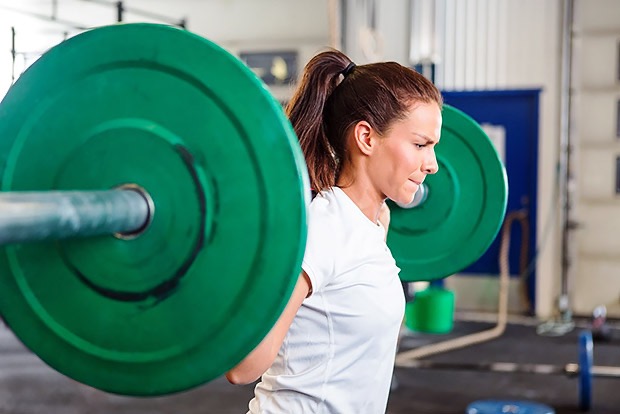
People that work with me sometimes remark that the exercises we use aren’t too different from the ones they’ve tried in the past with little success.

Two exercises can look remarkably similar from the outside, yet one produces real results, whilst the other does very little. So what’s the difference?

In most cases it can be summarised in one word — intention.

Why intention matters

When I speak about intention, I mean both the intention of the client performing the exercise, and the reasons I have asked them to do it.

My reasons are based on three things: what we discovered during their assessment, their goals, and their history.

The client, on the other hand, will have very clear instructions as to what they should feel and where they should feel it.

This isn’t just coaching preference — directing attention to specific muscles genuinely changes how the brain recruits them. The nervous system responds to intent.

Two people performing the same movement with a different internal focus are, in a meaningful sense, doing different exercises.

When the sensations aren’t quite right, we’ll make adjustments.

Slowing the tempo improves awareness and control.

Reducing the load lowers the risk of compensation.

Altering the range of motion can reduce noise in the system and improve focus.

These are all techniques to help improve the quality of information the nervous system is working with.

Which brings us back to the exercises that didn’t work before.

In most cases, the movement itself wasn’t the problem. What was missing was the context around it — the assessment that identified what needed addressing, the cueing that directed attention to the right place, and the adjustments that improved focus.

These are the differences that make the difference and produce real results.

Filed Under: Rehabilitation, Training

Why you can’t improve your hip flexibility (it’s not what you think)

Reader Interactions

Leave a Reply Cancel reply

Your email address will not be published. Required fields are marked *

This site uses Akismet to reduce spam. Learn how your comment data is processed.

Primary Sidebar

Not making progress with your rehab?

Subscribe below and find out how to get moving with our FREE 21 page guide.

9 key principles to help you recover from pain and injury pdf cover

Everything you need to know about exercise at 50 and beyond.

Subscribe and receive our 45 page guide FREE.

Everything you need to know about exercise at 50 and beyond pdf cover

Categories

Recent Posts

  • Same exercise, different result: Why intention matters when recovering from injury April 29, 2026
  • Why you can’t improve your hip flexibility (it’s not what you think) April 19, 2026
  • We’re living longer but we’re in worse health: why resistance training can reverse this trend April 11, 2026
  • More weight, worse results: The neuroscience behind load and muscle activation April 1, 2026
  • What should be happening during rehab exercises vs what is March 18, 2026

Footer

CONTACT

Human Movement
30 Cannon Street
London, EC4M 6XH

+44 020 7183 1164
paul@human-movement.com

BLOG

  • Same exercise, different result: Why intention matters when recovering from injury April 29, 2026
  • Why you can’t improve your hip flexibility (it’s not what you think) April 19, 2026
  • We’re living longer but we’re in worse health: why resistance training can reverse this trend April 11, 2026

FOLLOW

SUBSCRIBE

Privacy | Cookies | Terms