• Skip to main content
  • Skip to primary sidebar
  • Skip to footer

Human Movement

Injury Rehab and Sports Performance Training, City of London

  • About
  • Process
    • Our Process
    • Can I help you?
  • Methods
    • Muscle Activation Techniques
    • Resistance Training
  • Programmes
    • In person programme
    • Online programme
  • Resources
    • 9 key principles to help you recover from pain and injury
    • Everything you need to know about exercise at 50 and beyond
  • Blog
  • Contact

PE classes should teach children how their bodies work

October 6, 2026 by Paul Leave a Comment

In this post, we discuss why physical education classes should teach children how their bodies work, not just how to play sports.
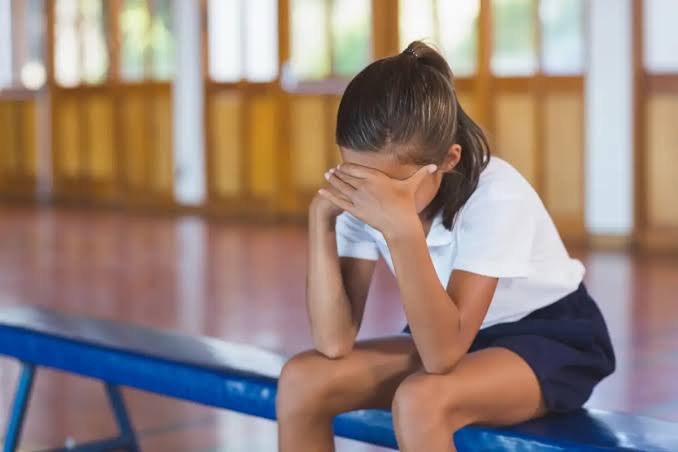
PE classes should teach children how their bodies work

Think back to PE at school. How was it for you?

I remember a sizeable group of kids who hated it. If you had no aptitude for a particular sport, or you were embarrassed about your body, I’m sure it was hell.

I meet some of those kids later in life. They’re often driven, analytical people who assumed exercise wasn’t for them. And they enjoy it, once it’s delivered in a format they find interesting and relevant.

So how do we make PE interesting and relevant for children, so they build a positive relationship with exercise early on?

Learning how the body works

A few years ago, my daughter’s school added meditation to the timetable. It gave the girls a few quiet minutes each day to explore their inner world. As regular readers know, I’m a firm believer in understanding how our minds work through direct experience.

It made me wonder why we don’t do the same with the body.

We all have one, yet many of us have no idea how it works. I don’t mean a biology class. I mean knowing where your joints are, how they move, and which muscles move them, learned by doing rather than from a book.

Imagine a lesson where children find and name their joints, then move each one through its full range of motion. Or one where they perform a set of squats and map what they feel (burning, breathlessness, a pounding heart) to what’s happening physiologically.

At work, I see adults who struggle with pain and injury partly because nobody has ever taught them how their bodies work. They’re meeting their own body for the first time in a crisis.

None of this replaces sport, which has real value. This would sit alongside it, giving children a grounding in how to use and maintain the remarkable vehicle they find themselves in.

Filed Under: Health, Training

Understanding your body: the key to recovering from pain and injury

Reader Interactions

Leave a Reply Cancel reply

Your email address will not be published. Required fields are marked *

This site uses Akismet to reduce spam. Learn how your comment data is processed.

Primary Sidebar

Not making progress with your rehab?

Subscribe below and find out how to get moving with our FREE 21 page guide.

9 key principles to help you recover from pain and injury pdf cover

Everything you need to know about exercise at 50 and beyond.

Subscribe and receive our 45 page guide FREE.

Everything you need to know about exercise at 50 and beyond pdf cover

Categories

Recent Posts

  • PE classes should teach children how their bodies work October 6, 2026
  • Understanding your body: the key to recovering from pain and injury September 30, 2026
  • Resistance training for range of motion: an overlooked benefit  September 10, 2026
  • Why you can’t feel that muscle working (and why you should keep going anyway) August 30, 2026
  • The secret to pain-free exercise? Learn to boil an egg before you scramble it August 26, 2026

Footer

CONTACT

Human Movement
30 Cannon Street
London, EC4M 6XH

+44 020 7183 1164
paul@human-movement.com

BLOG

  • PE classes should teach children how their bodies work October 6, 2026
  • Understanding your body: the key to recovering from pain and injury September 30, 2026
  • Resistance training for range of motion: an overlooked benefit  September 10, 2026

FOLLOW

SUBSCRIBE

Privacy | Cookies | Terms