
In this post, we discuss why chronic pain makes your life smaller, and how to reverse these changes by leveraging the underlying mechanisms responsible. At a glance Lives shrink, and grow again, through small choices we don’t consciously make. Your brain quietly prices every action for effort and threat. Anything that looks too costly never […]
Rehabilitation
What neck pain in fighter pilots reveals about exercise rehab
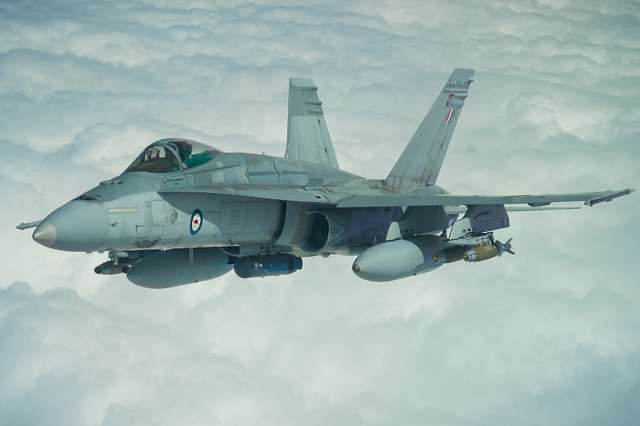
In this post, we look at neck pain in fighter pilots, and what an exercise programme with the Royal Australian Air Force (RAAF) shows about the need for precision in rehab. Neck and back pain are so common among fighter pilots that they’re seen as part of the job. As Wing Commander Carlos Almenara of […]
Understanding your body: the key to recovering from pain and injury

In this post, we discuss why understanding your body can be the key to recovering from pain and injury. A few years back, a family situation arose which began affecting my mental health. I was finding it difficult to sleep and found myself endlessly playing out unfavourable scenarios in my head. It felt like the […]
Resistance training for range of motion: an overlooked benefit

In this post, we discuss using resistance training for range of motion limitations, and why it’s an overlooked benefit. When you think about resistance training, you probably picture people performing heavy lifts such as the bench press or squat. Resistance training can be used in an entirely different way, however: to restore range of motion. […]
The secret to pain-free exercise? Learn to boil an egg before you scramble it

In this post, we discuss the secret to pain-free exercise – and it starts with learning to boil an egg. I’m no chef. There are a few things that I can cook that are edible, taste OK and won’t kill you, but I recognise that’s not a glowing restaurant review. These dishes have taken a […]